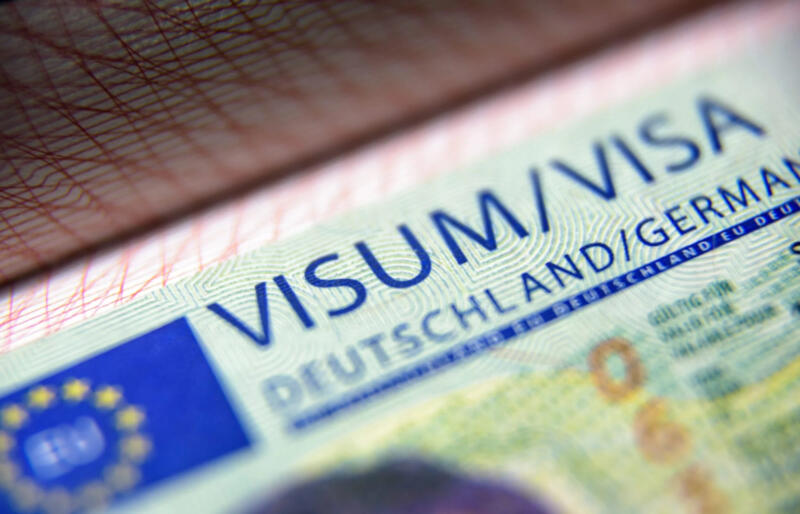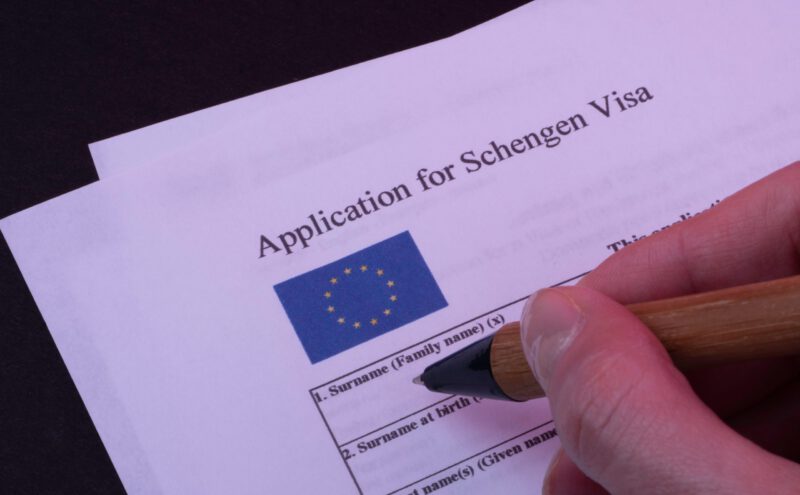
Major changes may be on the horizon for citizens of countries that currently enjoy visa-free travel to Europe. The European Union is preparing to authorize critical updates to its Visa Suspension Mechanism, which could impact millions of travelers entering the Schengen Area without a visa.
A new agreement between the European Parliament and the EU Council introduces stricter enforcement rules, broader political criteria, and longer suspension periods for countries granted visa-free access. The regions most likely to be affected include:
- Latin America
- Parts of Asia
- Eastern Europe
- The Caribbean
- The Balkans
Table of Contents
Visa-Free Entry Now Conditional
This revision marks the most significant change to EU visa policy in over a decade. Previously, suspensions were based mainly on migration-related triggers. Now, the mechanism includes geopolitical, security, and diplomatic considerations.
Key New Triggers:
- Golden Passport Programs: Countries offering citizenship to investors without deep ties to the nation may face scrutiny.
- Visa Policy Misalignment: If a country permits entry to nationals from high-risk regions without proper screening, it may be seen as a threat to the EU.
- Human Rights or Diplomatic Violations: Strained political relationships or violations of international law could trigger suspensions.
- Hybrid Threats and Border Weaknesses: Including cyberattacks, forged documents, and inadequate security controls.
New Migration Thresholds Apply
The EU has set quantitative thresholds for triggering a visa suspension:
- A 30% increase in asylum applications, border refusals, or visa overstays from a particular country
- An asylum approval rate below 20% over a defined time frame
These measurable benchmarks aim to accelerate enforcement and reduce the ambiguity of past rules.
Should you find this piece engaging, we kindly invite you to explore the wealth of content in our other articles:
Longer Bans and Stronger Consequences
Under the new system:
- A suspension may last up to 3 years, significantly longer than the previous 6 to 12 months
- An initial 1-year ban can be extended by 2 more years if issues persist
- In cases of repeated non-compliance, permanent termination of visa-free access is now possible
Targeted Sanctions for Government Officials
One of the more strategic adjustments is the EU’s decision to target specific individuals, such as ministers or diplomats, rather than imposing a blanket ban on all citizens. This aims to hold decision-makers accountable without punishing the broader population.
Who Is at Risk?
While no country has been suspended yet, several nations are under increased scrutiny, including:
- Caribbean countries with investor citizenship programs
- Serbia, Albania, Moldova, Georgia, and Ukraine
Any country experiencing high visa refusal rates or diplomatic tension with the EU may face action under the updated rules.
What Travelers and Governments Should Do
For Travelers:
- Stay updated on your country’s relationship with the EU
- Double-check visa policies before booking travel
- Prepare contingency plans if you’re a student, remote worker, or frequent traveler
For Governments:
- Amend or terminate weak citizenship-by-investment programs
- Align visa policies with EU security standards
- Improve border control and document security
For Institutions and Employers:
- Academic institutions, airlines, and international employers should monitor EU updates closely
- Plan alternative enrollment and mobility processes for affected students or staff
Final Approval Expected Soon
This regulation is currently under final review. Once approved, it will apply uniformly across all 27 EU member states. The first suspension under the new framework could happen shortly after adoption.
Visa-Free Travel Is No Longer Guaranteed
The EU’s message is clear: Visa-free access is a privilege, not a right. Amid growing geopolitical tension and migration pressures, the EU is arming itself with stronger tools to act decisively and protect its borders.