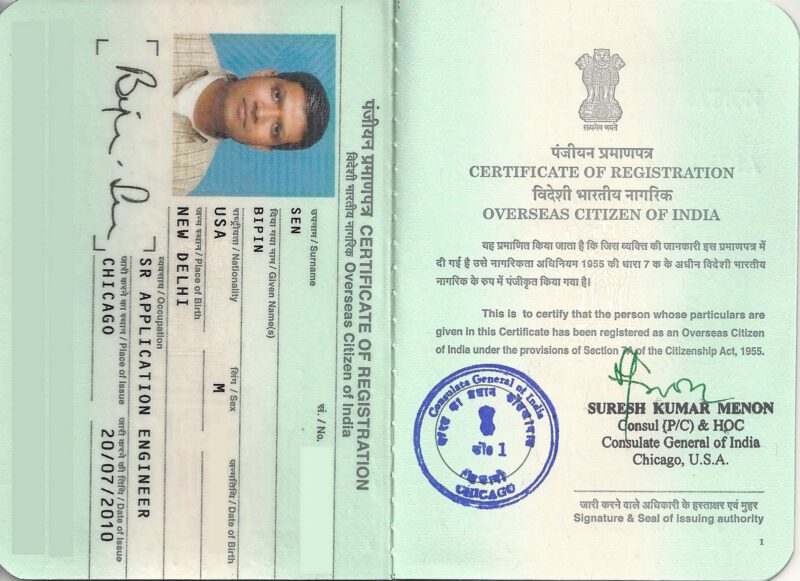
India has tightened regulations for Overseas Citizens of India (OCI). Under the new rule, OCI status can now be revoked if a cardholder faces serious criminal charges or is convicted of a crime.
Table of Contents
What the New Law Says
According to the Ministry of Home Affairs, an OCI card may be canceled if the holder is:
- Convicted and sentenced to 24 months or more in prison, or
- Named in a chargesheet for an offense punishable with seven years or more of imprisonment.
This amendment was introduced through a gazette notification under Clause (da) of Section 7D of the Citizenship Act, 1955, giving legal grounds for revoking OCI status in such cases.
What an OCI Card Means
Introduced in 2005, the Overseas Citizen of India card is a long-term residency document for individuals of Indian origin who hold foreign passports.
It allows them to:
Should you find this piece engaging, we kindly invite you to explore the wealth of content in our other articles:
- Travel to India without a visa
- Reside, study, or work in India without frequent renewals
Eligibility includes:
- Being an Indian national on or after January 26, 1950, or
- Being eligible for Indian nationality at that time, excluding nationals of Pakistan, Bangladesh, and other restricted countries.
What Has Changed
Previously, OCI cards were permanent unless surrendered voluntarily or revoked for national security reasons. Now, criminal charges or convictions can result in revocation.
The update introduces:
- Clear legal provisions linking criminal activity with OCI cancellation
- Stricter checks on OCI cardholders
- Broader authority for the government to act before final convictions
Why This Matters
The law aims to:
- Strengthen public security by barring individuals with serious criminal records
- Prevent misuse of OCI privileges
- Ensure accountability of foreign nationals of Indian origin
However, legal experts caution that the rule could affect individuals who have not yet been convicted but only charged. Authorities argue the changes are necessary to safeguard national security.
Who Is Impacted
- OCI cardholders with no criminal history remain unaffected
- Those facing charges for serious crimes such as fraud, organized crime, or violent offenses risk losing their status
- Individuals under investigation with potential long-term sentences may also be at risk
This move underscores that OCI status is a privilege, not an immunity shield.