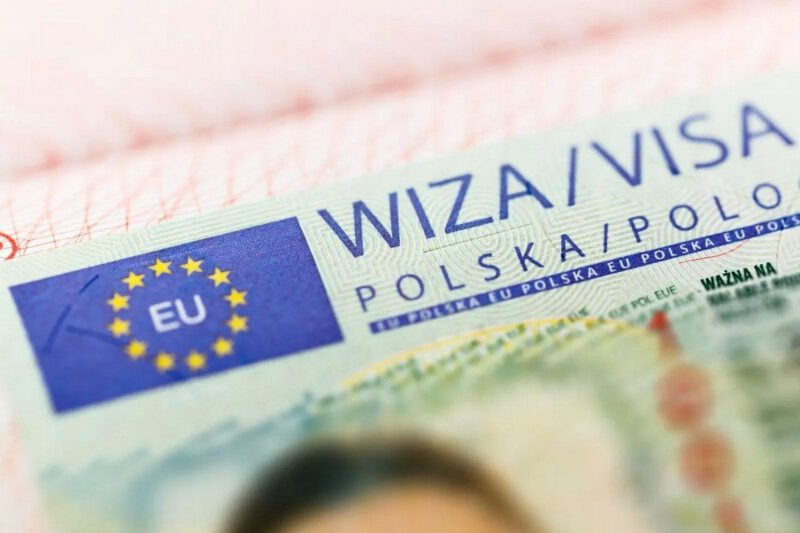
Poland has introduced significant changes to its immigration laws, directly impacting foreign nationals seeking employment. As of 1 July 2025, individuals holding certain visas or residence permits—whether from Poland or another Schengen country—must follow a stricter process to apply for a work permit.
These reforms are especially relevant for international students, long-term visa holders, and Schengen-area residents planning to transition into employment in Poland.
Table of Contents
Polish National Work Visa Now Mandatory Before Single Permit Application
Under previous regulations, the following categories of individuals could apply directly for a Single Permit in Poland:
- Holders of a Polish student visa
- Individuals with a long-term visa issued by another Schengen country
- Residents with a Schengen-issued residence card
This is no longer permitted.
Now, these individuals must first obtain a Polish National Work Visa (D-type) before becoming eligible to apply for a Single Permit. This two-step process ensures that the purpose of entry—work—is clearly aligned with the visa used to enter Poland, helping prevent misuse of study or residence visas.
Should you find this piece engaging, we kindly invite you to explore the wealth of content in our other articles:
- How to Obtain a Canada Temporary Resident Visa for International Students and Workers
- 2024 CERN Short-Term Student Internship Program
- United States Verifies Visa Bond Requirements for B1/B2 Travelers From Malawi and Zambia
- IELTS Exams: Registration, Qualification, Dates, Booking, Pattern And Latest Updates
- Tips for Immigrants in Search of Jobs in Canada
What Is the Single Permit, and Why Is It Important?
The Single Permit is a combined residence and work authorization for non-EU citizens. It allows foreign workers to live and work in Poland without needing separate applications.
While it simplifies the process for workers, the new rules introduce more stringent qualification criteria. Now, a Polish national D-type visa is a prerequisite if you’re already in the Schengen Area on a non-work visa and wish to work in Poland.
This D-type visa:
- Is valid for stays over 90 days, up to 12 months
- Allows both residence and employment
- Requires proof of a legitimate job offer and supporting documents
Who Is Exempt From This Requirement?
Applicants for the EU Blue Card, a specialized work permit for highly qualified professionals, are exempt from this requirement. They may still apply directly for the Blue Card through the standard procedure—without first obtaining a Polish work visa.
What the Changes Mean for Foreign Workers and Employers
These changes signal a more structured, transparent, and enforceable system for foreign labor. Key implications include:
- Longer processing time: Applicants must now first secure a national work visa before submitting a Single Permit request
- Stricter verification: Authorities will closely review whether your visa purpose matches your employment goal
- No shortcuts: Student visa or Schengen visa holders cannot bypass the national visa requirement
For employers, the law demands full compliance with updated hiring procedures. Since June 2025, Polish employers must:
- Submit job approval applications online
- File contracts with labor offices before a foreign employee begins work
This minimizes illegal employment and reinforces legal oversight.
How to Apply for a Polish National Work Visa in 2025
Applicants must prepare the following documents:
- A valid passport
- Completed visa application form
- Signed job contract or job offer
- Proof of health insurance
- Documentation confirming housing in Poland
- Clean criminal record certificate
- Financial documents showing ability to support yourself and leave the country upon visa expiration
Applications must be submitted to the Polish consulate or embassy in your home country or country of legal residence. Because processing times vary, early application is advised.
Conclusion
Poland’s updated immigration policy reflects a broader EU trend toward tightening labor and visa regulations. Understanding the new requirements—particularly the need for a Polish national work visa prior to applying for a Single Permit—is crucial to avoid delays or disqualification.
Foreign nationals and employers should prepare early and ensure full compliance with all documentation and procedures. These changes reinforce the importance of a lawful, transparent entry and hiring process for working in Poland.