Sweden plans to implement significant changes to its single permit system for international workers, set to take effect on 21 May 2026. These changes align with the updated EU Single Permit Directive, adopted in 2024, and aim to make the EU labor market more appealing to foreign professionals.
If approved by the Swedish Parliament, the new rules will improve flexibility, increase job security, and shorten processing times for both skilled migrants and their employers.
Table of Contents
What Is a Single Permit?
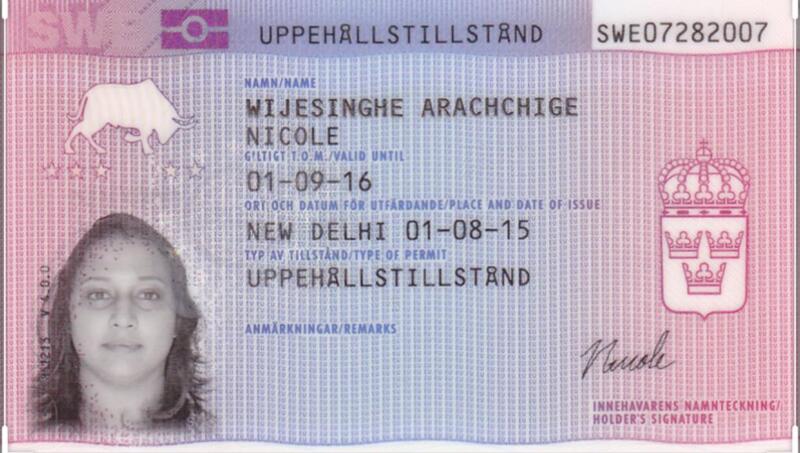
A single permit allows non-EU citizens to both live and work in an EU country through a unified application process. Instead of applying separately for a residence permit and a work permit, applicants can submit one application for both.
In Sweden, the current single permit ties the worker to a specific employer and job title. That is about to change.
Key Changes to Sweden’s Single Permit Law Starting May 2026
1. No More Employer or Job Lock-In
Currently, the permit binds foreign workers to one employer and job. Under the new rules, international employees will be allowed to change jobs or employers without applying for a new permit.
Should you find this piece engaging, we kindly invite you to explore the wealth of content in our other articles:
- You must still notify the authorities about the change.
- Why this matters: Greater freedom reduces the risk of being stuck in exploitative or unsatisfying jobs.
2. Extended Grace Period After Job Loss
If you lose your job, you’ll now have six months—instead of three—to find a new one and retain your permit.
- Applies to workers who have held a Swedish single permit for more than 24 months.
- Why this matters: Gives long-term residents more breathing room to find new opportunities.
3. Longer Initial Permit Duration
The Swedish Migration Agency will now be able to issue permits valid for up to 24 months—a big shift from the current 6-month probationary period.
- Why this matters: Reduces administrative burdens and helps workers settle more easily.
4. Employers Cannot Charge Application Fees
The law will prohibit employers from asking foreign employees to pay the application fee for their single permit.
- Why this matters: Protects workers from hidden job costs and financial exploitation.
5. Faster Government Processing Times
Sweden aims to cut permit processing time to three months from the date of complete application—down from the current average of 120 days.
- Why this matters: Less waiting time means faster hiring and quicker relocation.
Why Sweden Is Making These Changes
These reforms are part of Sweden’s implementation of the revised EU Single Permit Directive (2024). The directive encourages member states to:
- Simplify application processes
- Improve legal protections for migrant workers
- Promote job mobility within the EU
Sweden’s proposed changes fulfill all these goals.
What Happens Next
The proposal must still be approved by the Swedish Parliament. If passed, the law will come into effect on 21 May 2026. Updates will be provided as the legislative process moves forward.
Conclusion
Sweden’s upcoming reforms to the single permit system mark a major improvement for foreign professionals. With increased flexibility, better legal protections, and faster processing times, the country is positioning itself as a more attractive destination for skilled international workers in the years to come.