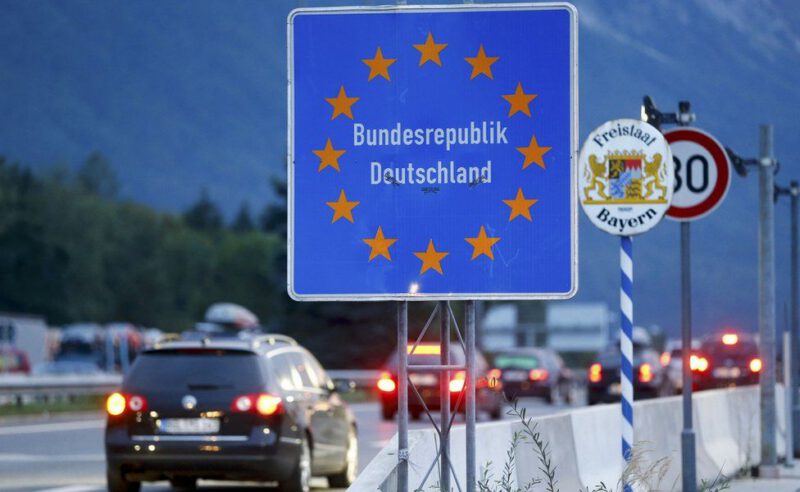
Several European countries are temporarily reintroducing internal border checks across the Schengen Area throughout 2025. While this does not mean travelers will need a visa to move between Schengen countries, it does mean longer wait times, stricter ID checks, and less predictable movement, especially via land routes.
Here’s a detailed breakdown of which countries are reinstating controls, the reasons behind them, and tips to help you navigate European travel in 2025.
Table of Contents
Why Border Controls Are Returning
The Schengen Area usually allows passport-free movement across 27 EU countries. However, temporary border controls are allowed for public safety or national security concerns—especially during times of increased migration, terrorism threats, or geopolitical instability.
These checks may occur at:
- Land crossings (trains, buses, roads)
- Airports on internal Schengen flights
- Ferry ports connecting Schengen countries
If you’re used to seamless movement between countries like France and Germany, expect delays, ID requests, and random luggage or vehicle checks.
Should you find this piece engaging, we kindly invite you to explore the wealth of content in our other articles:
Countries Reinstating Border Controls in 2025
Poland
Period: 7 July – 5 August 2025
Affected Borders: Germany, Lithuania
Reason: Rising migration pressure and safety concerns on land routes
Slovenia
Period: 22 June – 21 December 2025
Affected Borders: Croatia, Hungary
Reason: Smuggling, terrorism risks, and instability from Russia, Belarus, and the Balkans
Italy
Period: 19 June – 18 December 2025
Affected Borders: Slovenia
Reason: Terrorist infiltration risk, conflicts in Ukraine and the Middle East, and the Universal Jubilee
Austria
Period 1: 12 May – 11 November 2025 (Hungary, Slovenia)
Period 2: 16 April – 15 October 2025 (Slovakia, Czechia)
Reason: Irregular migration, asylum pressure, and geopolitical risks
The Netherlands
Period: 9 June – 8 December 2025
Affected Borders: Germany, Belgium (land and air)
Reason: Increased asylum claims, public service strain
Denmark
Period: 12 May – 11 November 2025
Affected Borders: Germany (land and sea), potentially others
Reason: Threats linked to Russia, terrorism, and Middle East instability
Norway
Period: 12 May – 11 November 2025
Affected Borders: Ferry ports with Schengen connections
Reason: Sabotage and energy infrastructure risks from Russian intelligence
Sweden
Period: 12 May – 11 November 2025
Affected Borders: All internal borders (focus on Denmark)
Reason: Organized crime, terrorism, and foreign interference
France
Period: 1 May – 31 October 2025
Affected Borders: All internal borders, especially Belgium, Germany, Spain, Italy, Luxembourg, and Switzerland
Reason: Jihadist threats, antisemitism, smuggling near the Channel
Germany
Period: 16 March – 15 September 2025
Affected Borders: Belgium, France, Netherlands, Luxembourg, Austria, Czechia, Denmark, Poland, Switzerland
Reason: Migration and asylum pressure, instability from Ukraine and the Middle East
New European Border Systems in 2025
Entry/Exit System (EES)
Digital biometric kiosks (photo and fingerprint) will be rolled out at EU borders to reduce overstays and automate immigration checks. Expect minor delays during initial implementation.
ETIAS Authorization
Starting in late 2025 or 2026, non-EU travelers must apply for ETIAS approval before visiting the Schengen Area. It is not in effect yet but will soon become mandatory.
What to Expect as a Traveler in 2025
- Longer queues at land borders, especially in summer
- Potential delays at internal flights within Schengen
- Stricter ID checks — always carry a valid passport or national ID
- Bus, train, and car passengers may face random inspections
Travel Tips to Navigate 2025 Border Controls
- Always carry a valid passport or national ID, even for Schengen trips
- Arrive early at airports and train stations, especially when visiting France, Germany, or the Netherlands
- Avoid late-night border crossings, which tend to be slower
- Use official routes with designated screening areas
- Keep printed travel itineraries and accommodation bookings in case of customs checks
- Monitor government travel advisories for sudden rule changes or closures
Conclusion
While Schengen travel is still possible without a visa, 2025 will bring more scrutiny and delays. With multiple countries reintroducing border checks due to migration, terrorism, and political instability, travelers should plan ahead, carry proper documentation, and remain flexible.