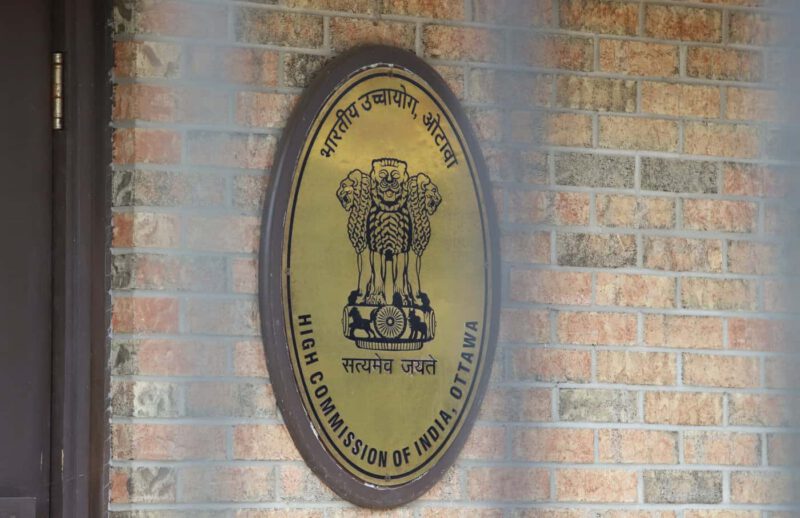
If you are traveling to Canada or navigating its visa and immigration processes, be aware of a growing scam targeting the Indian expatriate and traveler community.
The High Commission of India in Ottawa has issued a public advisory warning Indian citizens and Indian-origin residents about an increase in fake calls, fraudulent emails, and false embassy communications.
These scams primarily target individuals with Canadian visas or pending immigration applications, often using intimidation or urgent payment requests to exploit victims.
Table of Contents
Fake Visa Alerts: Calls, Forged FIRs, and Risks
According to the advisory, many have reported alarming phone calls and emails claiming to be from officials at the High Commission of India in Ottawa, the Consulate General in Toronto, or the Consulate General in Vancouver.
Scammers falsely accuse recipients of visa violations and demand immediate action, typically involving the payment of “application charges” or the submission of personal documents.
Should you find this piece engaging, we kindly invite you to explore the wealth of content in our other articles:
- H-1B Visa 2025: Big Changes Foreign Employees and Employers Should Know
- What You Must Understand About CEFR Levels
- Saudi Arabia Prolongs Grace Duration for Expired Visit Visas by 30 Days
- Flagpoling in Canada: Steps to Traverse the Border for Good
- New Zealand Work Visa Laws Changed: English Test Mandatory for Some Jobs
Fraudsters often spoof legitimate embassy phone numbers listed on official websites to make the calls appear authentic. Some have even produced forged documents using the High Commission’s address and logo.
Example of a Forged Document
One widely circulated fake letter accuses the recipient of using their phone number for “fake emails.” It contains a fabricated FIR number, absurd claims of Delhi Police involvement, and a demand for an explanation letter within two hours—threatening to blacklist the person’s passport.
The letter imitates official letterheads, but the language and threats reveal clear signs of fraud.
What Travelers and Visa Applicants Should Do
- Remain skeptical: Treat any unexpected calls or emails alleging illegal activity and demanding urgent action with suspicion.
- Verify sources: Confirm the contact details directly from the official High Commission of India website. Do not rely solely on caller ID or email addresses, as these can be spoofed.
- Never share personal details or make payments: Genuine consular officers will not request sensitive banking information, payment over the phone, or threaten to block your passport.
Embassy’s Response: Do Not Fall for It
The High Commission emphasized that it does not call individuals to request payments, initiate arrests, or demand police documents. These are not legitimate consular practices.
If you receive such communication, do not engage. Instead, report it immediately to the relevant Canadian authorities.
How to Report Visa Fraud in Canada
- Local Police: If you have suffered financial loss or identity theft, contact your local police service. Ottawa residents can file reports via the Ottawa Police Service Portal.
- Canadian Anti-Fraud Centre: File a report online at antifraudcentre-centreantifraude.ca or call 1-888-495-8501.
- Indian Authorities: If the fraudulent call originates from an Indian number, report it at cybercrime.gov.in.
These scams can cause real harm. Students, travelers, and recent immigrants should be particularly cautious of unsolicited government-related calls. Remember, no legitimate consular office will threaten arrest by phone.