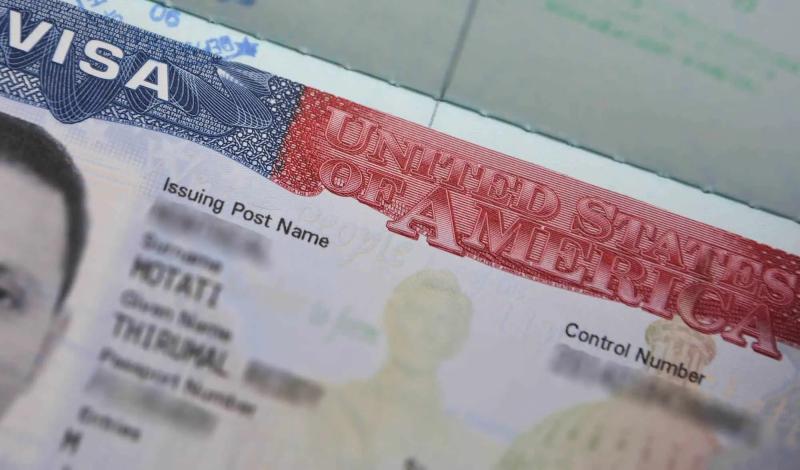
The United States Embassy has introduced an important update to the visa application process: all applicants must now disclose their social media handles and make those accounts publicly viewable during the vetting process.
This requirement primarily affects individuals applying for F, M, and J non-immigrant visa categories, commonly used by international students, vocational trainees, and exchange visitors.
Table of Contents
Key Details of the New Social Media Rule
Effective immediately, applicants are required to provide all usernames or handles they have used on any social media platform over the past five years on the DS-160 visa application form.
In addition, applicants are required to make their social media profiles public to aid U.S. officials in conducting background checks.
Who Is Affected
This rule applies to non-immigrant visa applicants, specifically those applying under:
Should you find this piece engaging, we kindly invite you to explore the wealth of content in our other articles:
- F Visa: Academic students
- M Visa: Vocational students
- J Visa: Exchange visitors
All social media handles or usernames used within the last five years must be disclosed on the DS-160 form. Failing to do so may result in a visa denial and potential ineligibility for future applications.
What You Must Disclose
Applicants must report all platforms and associated usernames used in the past five years. This includes but is not limited to:
- TikTok
- Twitter (now X)
- Snapchat
- YouTube
- Tumblr
- Any additional platforms listed in the DS-160 form
Note: You do not need to provide passwords—only usernames or handles (e.g., @john_doe1995).
Where to Enter These Details
Disclosures are made in the “Social Media” section of the DS-160 Form, which is required for all U.S. non-immigrant visa types, including:
- B1/B2 (Business/Tourism)
- F1 (Student)
- H-1B (Work)
You will be asked to select platforms used and enter the relevant usernames. If you haven’t used any social media, you can select “None.”
How to Comply: Step-by-Step
- Make a List: Review your history of social media usage over the past five years. Include inactive or rarely used accounts.
- List Your Usernames: Enter only your handles (e.g., @jane_doe). Passwords are not required.
- Include All Accounts: Even if you created an account years ago and no longer use it, if it falls within the five-year window, it must be listed.
- Account Visibility: You are not legally required to make your accounts public, but visa officers will review any publicly available content.
- No Social Media? Select “None” on the form—but be prepared to discuss this during your interview if asked.
What Happens If You Omit Information
Providing false or incomplete information—such as failing to list active or past social media accounts—is considered misrepresentation.
Potential consequences include:
- Immediate visa denial
- Possible permanent ineligibility for future U.S. visas
- Increased scrutiny on future applications
You will also be required to certify the accuracy of all information in your DS-160 form before submitting it.
Tips to Avoid Mistakes
- Review your history: Make a complete list of platforms and usernames used in the last five years.
- Be transparent: Include even inactive accounts.
- Ensure consistency: The social media details must align with other parts of your visa application.
Bottom Line
As digital vetting becomes a standard part of the U.S. visa process, transparency regarding your online presence is essential. Ensure your social media information is complete and accurately entered in the DS-160 form to avoid complications.
If you are unsure about how to complete the form or navigate these rules, consider consulting a licensed immigration attorney for guidance.