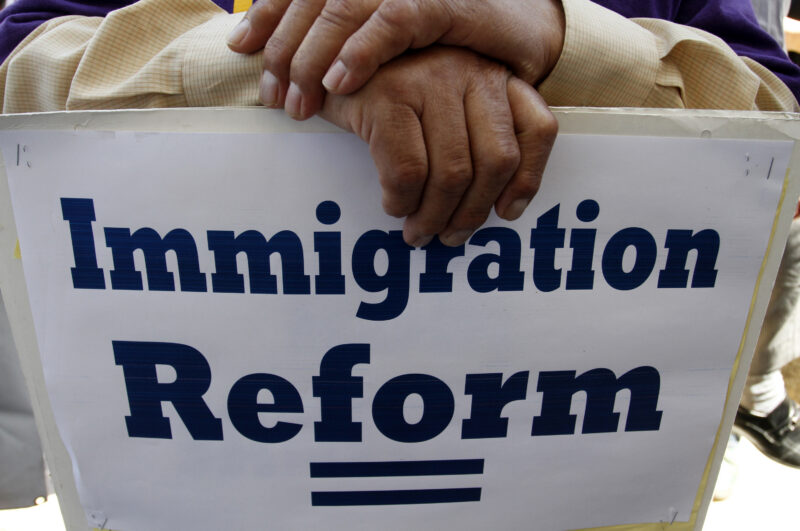
The long wait and complex process of obtaining a U.S. Green Card may soon change. Representatives Maria Elvira Salazar (R-Florida) and Veronica Escobar (D-Texas) have introduced the Dignity Act of 2025 (H.R. 4393)—a bipartisan proposal to modernize America’s immigration system, a reform many believe is long overdue.
This bill aims to clear the lawful immigration backlog by 2035. Below is a breakdown of its key provisions and potential impact.
Table of Contents
Green Cards for $20,000: Who Is Eligible
A central and potentially game-changing provision allows individuals in the employment-based or family-based green card backlog who have been waiting more than 10 years to pay $20,000 to expedite their applications.
This option is not open to everyone—it is intended for individuals who have:
- Maintained lawful status
- Already filed their petitions
- Waited patiently in the backlog
- Come predominantly from high-demand countries like India and China
The payment would not simply be a “buy your way in” shortcut—it would also help reduce personal wait times and gradually clear years-long processing bottlenecks.
Should you find this piece engaging, we kindly invite you to explore the wealth of content in our other articles:
- New Measures to Verify International Student’s Letters of Acceptance by IRCC
- What You Need To Know About Finland Seasonal Work Permit 2024
- How to Get a Canada Permanent Resident Card Processed Urgently
- Canada Residency Commitment Requirements for Permanent Residence
- How to Prove Common-law Relationship for Canada Migration
Key Relief for Indian and Chinese Applicants
The bill proposes raising the per-country cap on green cards from 7% to 15%. This change is significant for applicants from countries with large backlogs, especially India, where some have faced wait times exceeding 20 years due solely to their country of birth.
A Path to Stay for Documented Dreamers
The proposal addresses the issue of Documented Dreamers—children of skilled foreign workers who entered the U.S. legally but “age out” at 21 and lose their dependent status.
Under the Dignity Act, anyone who has lived lawfully in the U.S. for at least 10 years could apply for permanent residency, even after aging out. This could prevent thousands of young adults from falling into legal limbo.
Boost for Immigration Agencies
To make these reforms possible, the bill allocates $3.6 billion in funding to:
- Clear application backlogs
- Modernize visa processing at the Department of State, USCIS, and the Department of Labor
- Create a new Immigration Agency Coordinator role to improve inter-agency communication and reduce bureaucratic delays
The Breakthrough the System Needs?
U.S. immigration reform has been debated for years. Supporters of the Dignity Act see it as a pragmatic bipartisan solution, while critics argue that paying for faster processing gives undue advantage to wealthier applicants.
If passed, the bill could reshape a major part of the U.S. immigration process and offer renewed hope to those stuck in the backlog.