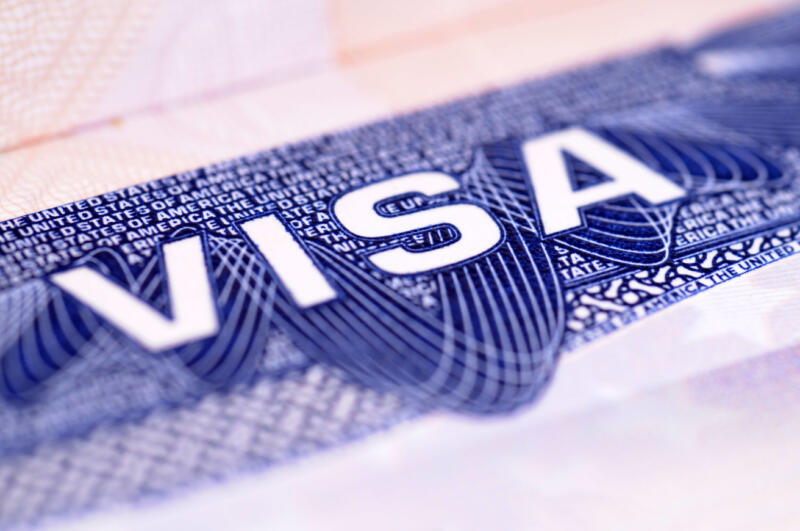
The United States is preparing to reintroduce a visa bond requirement that could cost some travelers up to $15,000 before obtaining a B-1 (Business) or B-2 (Tourist) visa. This controversial measure, first proposed in the final days of Donald Trump’s first term, is being revived as part of efforts to curb visa overstays and tighten border controls.
Table of Contents
What Is Changing
Travelers from countries with high visa overstay rates may be required to pay a refundable bond of up to $15,000 in addition to the standard visa application process. This bond acts as a security deposit—refunded if the traveler leaves the US within the authorized period, but forfeited if they overstay.
Who This Applies To
The US Department of State has not yet released the list of affected countries. However, the list will be published at least 15 days before the pilot program begins. The policy will take effect 15 days after publication in the Federal Register, providing a total 30-day window before enforcement.
Why the US Is Implementing This Policy
According to the government, the visa bond is designed to encourage compliance with visa terms. Targeted nations are those with historically high overstay rates, weak screening and vetting systems, or citizenship-by-investment programs without residency requirements—raising concerns about identity verification and enforcement.
How the Process Will Work
- The policy is not a blanket rule for all travelers from affected countries.
- US consular officers will decide case-by-case whether a traveler must pay the bond.
- Travelers required to post the bond will be informed during the visa interview.
- If the traveler complies with visa rules, the bond will be refunded.
- The pilot program will run for one year.
Impact on Travelers
For citizens of affected countries, this policy could increase both the cost and complexity of visiting the US. The financial burden may discourage short-term visitors, families, and business travelers. Those planning to apply for a B-1 or B-2 visa should closely monitor official announcements in the coming weeks.
Should you find this piece engaging, we kindly invite you to explore the wealth of content in our other articles:
- All You Need to Know About US H-1B Visa
- How to Immigrate to Canada From Cameroon
- Canada to Require Medical Tests Before Express Entry Applications from August 21
- Provision of Recommendation to Address Immigration Backlogs by Canadian Parliament Committee
- What To Do If Your Canada Immigration Application is Returned As Incomplete
Conclusion
The return of the visa bond underscores the US government’s stricter approach to immigration enforcement, particularly for travelers from countries with high overstay rates. Staying informed about official updates will be essential for anyone planning a US visit under this rule.