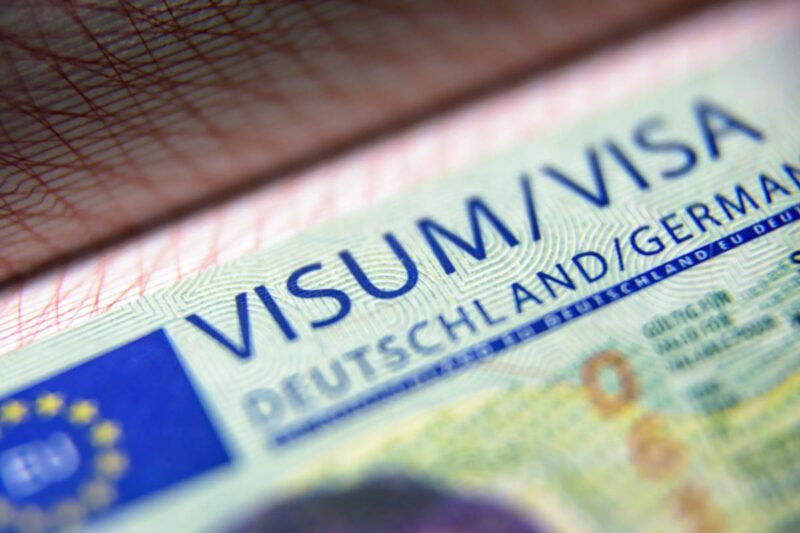
Germany has quietly become one of the most attractive countries for freelancers and digital nomads. The country offers a clear pathway to self-employment through two main visa options:
- Freelancer Visa (Freiberufler)
- Self-Employed Visa (Gewerbe)
These visas allow non-EU citizens to legally live, work, and even settle long-term in Germany.
Whether you’re an artist, writer, consultant, engineer, or tech specialist, these routes provide opportunities to build your professional life in Europe’s largest economy—without needing an employer.
Table of Contents
What Is the Germany Freelancer Visa?
The freelancer visa, officially called the residence permit for freelance work, is for individuals engaged in Germany’s “liberal professions.” This includes:
- IT professionals and consultants
- Artists and musicians
- Language teachers and translators
- Writers and journalists
- Healthcare professionals (e.g., nurses, physiotherapists)
- Engineers and architects
This visa allows you to offer services to clients in Germany and internationally while living in the country.
Should you find this piece engaging, we kindly invite you to explore the wealth of content in our other articles:
- Russia To Introduce New QR Code Entry Law For Visa-Free Travelers On June 30
- Thailand Work Permit Laws Toughen: New BOI Enrollment Needed From August 1
- Canada Student Visa Requirement For Yemeni Students
- US Student F-1 Visa Application & Approval Timelines
- How to Create GCkeys to Apply for Canada Immigration/Visa Online
Advantages of the Freelancer Visa in Germany
Here’s why the German freelancer visa is so appealing:
- Legal residence and freelance work rights in Germany
- Visa-free access across the Schengen Zone
- Initial visa valid for up to 36 months
- Pathway to permanent residency after 5 years
- Tax benefits for freelancers
- Family reunification options available
Note: If you are over 45, Germany requires proof of pension planning. While not a disqualifier, you should present a solid financial outlook.
What Is the Self-Employed Visa?
The self-employed visa is for individuals looking to launch or operate a business in Germany. Unlike the freelancer visa, this route is geared toward entrepreneurs managing commercial ventures.
Key Requirements:
- Viable business plan
- Proof of regional demand or economic benefit
- Sufficient investment capital or funding
- Ability to support yourself and dependents
If your business succeeds, your visa can be extended. After five years, you may qualify for permanent residency.
Who Can Apply?
These visas are open to non-EU nationals, including citizens of:
- United States
- Canada
- United Kingdom
- India
- South Africa
- Brazil
- Many other countries
If you’re from a visa-free country, you may enter Germany for 90 days and apply from within. Others must apply through a German embassy or consulate abroad.
How to Apply for a Freelancer Visa in Germany
Here’s a step-by-step guide to applying:
- Confirm Eligibility: Check if your profession qualifies under “liberal professions” or business-related self-employment.
- Gather Documents, including:
- Completed visa application
- Valid passport
- Detailed business plan
- Work portfolio (for creatives)
- Proof of funds
- Letters of intent from German clients
- Health insurance certificate
- Pension documentation (if over 45)
- Book an Appointment: Schedule your visa interview at your local German mission well in advance.
- Attend Interview: Be prepared to explain your freelance plans and financial projections.
- Wait for Approval: Processing time ranges from 4 to 12 weeks.
Visa Fees and Validity
| Visa Type | Application Fee |
|---|---|
| Freelancer Visa | $93.24 |
| Self-Employed Visa | $104.89 |
| Residence Permit | Up to $116.55 |
| Settlement Permit | Up to $171.33 |
Validity:
- Initial visa: Up to 36 months, depending on financial stability and business plan
- Renewable upon success
- Eligible for settlement permit (permanent residency) after 5 years of continuous stay
Why Choose Germany as a Freelancer?
Germany offers a unique combination of:
- Affordability
- Reliable infrastructure
- Fast internet and public services
- Creative and startup-friendly cities like Berlin, Munich, and Hamburg
- Visa-free travel across 26 Schengen countries
Germany is not only a great place to work, but also an excellent launchpad for global mobility and permanent settlement.