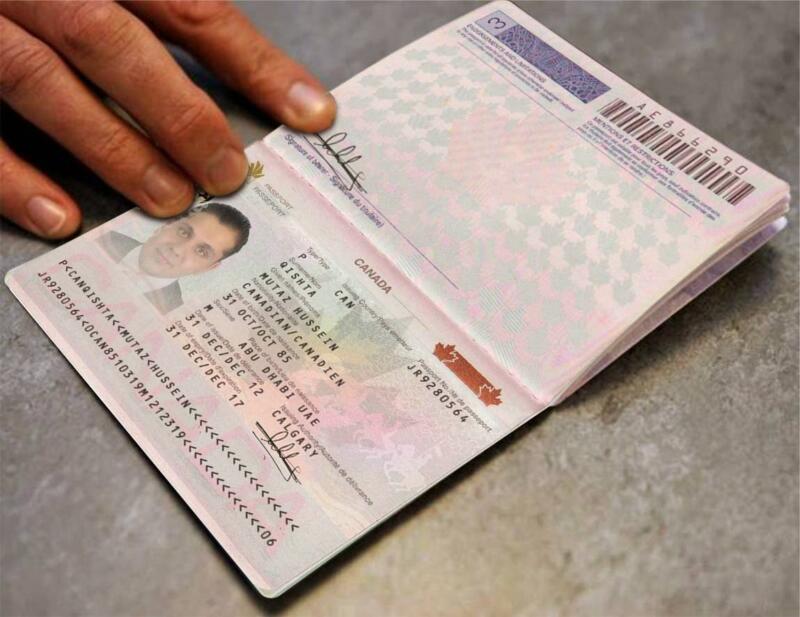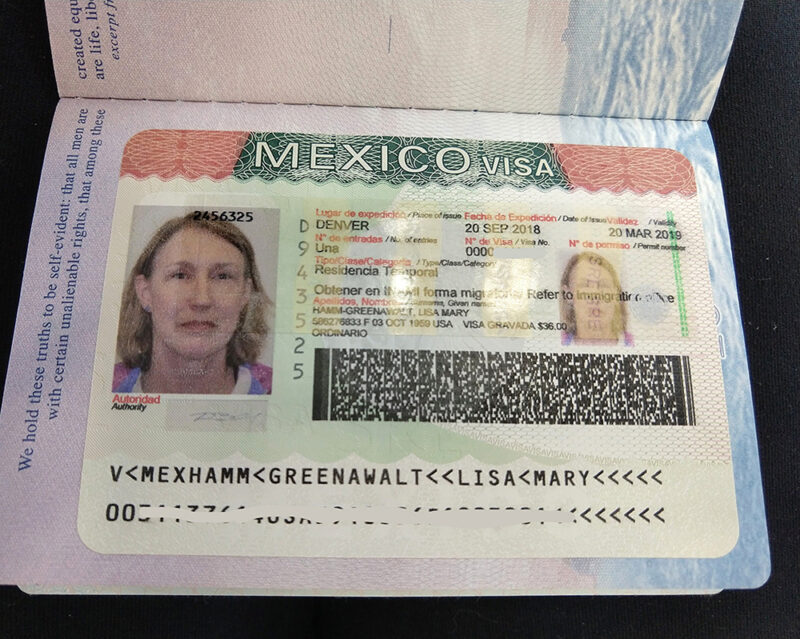
If you’re planning to relocate to Germany for employment, study, or long-term stay, you’ll face significant policy changes. Beginning July 1, 2025, Germany will officially abolish the visa remonstration process and implement a streamlined visa application system with clarified requirements.
Here’s what you need to know about this major update to Germany’s long-stay visa rules.
Table of Contents
Remonstration Procedure Ends in July 2025: No More Visa Appeal
One of the most notable changes is the complete elimination of the visa remonstration process.
Previously, applicants whose visas were denied could submit a written remonstration—a formal request asking the embassy to reconsider its decision. Starting July 1, 2025, this option will no longer be available.
Instead, applicants will receive a detailed explanation of the refusal and be given two new options:
Should you find this piece engaging, we kindly invite you to explore the wealth of content in our other articles:
- File a legal appeal through German courts
- Submit a new visa application with improved documentation or justification
Although this may seem restrictive, the reform aims to provide greater transparency and reduce visa processing times.
Germany’s Updated Visa Requirements and Entry Rules
Germany is tightening its rules for non-EU/EEA/Swiss citizens intending to stay longer than 90 days or work in the country.
Who Must Apply for a Visa Before Arrival?
- Non-EU/EEA/Swiss Citizens: You must apply for a visa before traveling to Germany for work or long-term stays.
- Special Exceptions: Nationals from Canada, Australia, New Zealand, Japan, the UK, South Korea, and the USA can enter visa-free and apply for a residence permit after arrival.
- All Other Nationals: Must complete the full visa application process before departure via the German embassy or consulate in their country.
Visa processing times may extend up to three months, especially if immigration authority approval is required.
Tip: Always check the latest requirements on the official German embassy or consulate website for your country.
Visa Processing Times: What to Expect
- Job-Related Visas: These typically do not require additional immigration approval, making them faster to process.
- Standard Long-Term Visas (e.g., student, family reunification): Expect a three-month or longer processing period, especially if the Federal Employment Agency or local Ausländerbehörde is involved.
Application Forms and Language Requirements
- Free Forms: Visa application forms for national (D) visas are free and available in German, English, French, and Italian.
- Use Only Approved Versions: Your local German embassy may accept forms only in certain languages, so verify the requirements on their website before submitting.
Who Handles Visa Extensions Inside Germany?
Once in Germany, any modifications to your visa—such as extensions or category changes—are handled by the local immigration authority (Ausländerbehörde), not the Federal Foreign Office.
Local authorities report to state interior ministries, which operate independently of the federal foreign ministry.
D Visa Benefit: Free Schengen Travel
Holders of a German National Visa (D visa) can travel freely throughout the Schengen Area for up to 90 days within any 180-day period.
This is a major advantage for professionals, students, or residents who wish to explore neighboring EU countries during their stay in Germany.
Bottom Line
Germany’s 2025 visa reforms mark a decisive move toward efficiency, transparency, and stricter documentation standards. While the elimination of the remonstration process may appear limiting, it pushes applicants to prepare more complete and accurate applications from the start.
Whether you’re pursuing employment, education, or long-term relocation, staying informed about these changes will help you navigate Germany’s updated immigration system with greater confidence.